
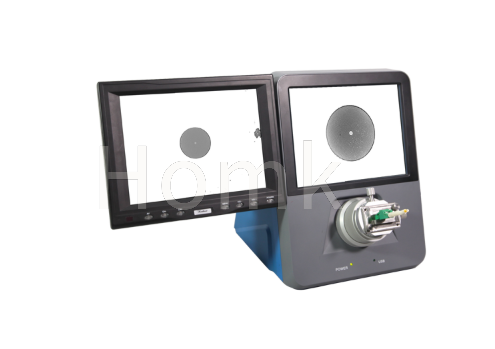
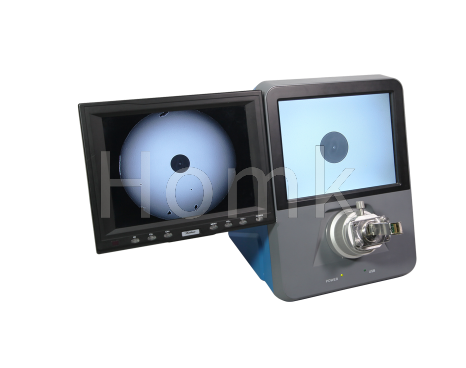
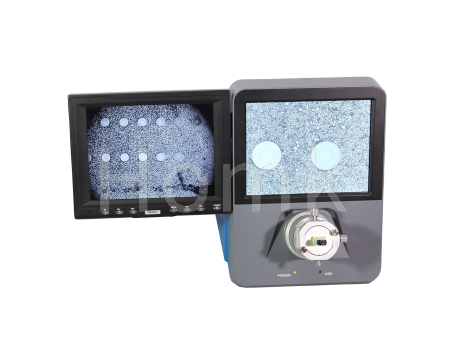
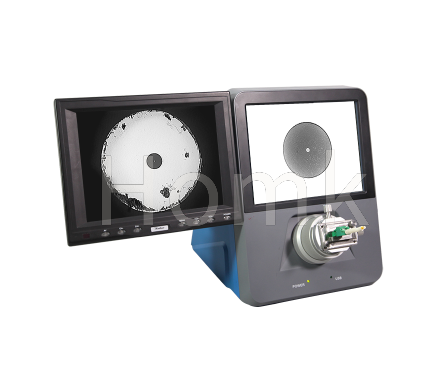
Fiber Microscope HK-400D 400x
The DoubleTest series double-rate end inspection instrument can perform one focusing operation
and simultaneously output two different magnification end face images. The large image is used
for detecting the details of the fiber core, while the small image mainly focuses on checking the
defects from the ceramic part to the edge. This reduces the number of inspections, minimizes
wear and tear, and even indirectly helps in screening and judging the grinding standards of the
jumper tail fibers. The simultaneous detection on the same screen enhances the inspection
efficiency. With one workstation, one equipment, or a secondary screen for simultaneous detection,
one focusing operation can achieve fiber end face inspection at double rates, saving inspection
stations, improving inspection efficiency, and reducing production costs. It is currently the best
high-standard and high-efficiency end face inspection equipment.
The Eytianlong DoubleTest series dual-rate end inspection instrument supports multiple rate
options, including 400X/70X, 200X/70X, 200X/50X, 400X/200X, 400X/80X, 200X/80X. Multi-screen
inspection can increase efficiency by 10X, and this is no longer a problem.
The DoubleTest series of the Yitianlong product line features dual-rate end testers that support
multi-device testing, including modules, pull-ring modules, TOSA/ROSA, MPO, FA, and other
multiple terminal tests.
Main Characteristics
One focusing, full-end-face detection, multiple magnification options: 400X/70X, 200X/70X,
400X/200X, 400X/80X, 200X/80X
- The high magnification mainly examines the details of the core, while the low magnification
mainly checks for defects from the ceramic to the edge.
- Low magnification of 50X and 70X support SC and LC full-end face modules, components,
jumpers, optical fibers, etc. for inspection, which improves inspection efficiency and reduces
wear and tear.
Dual optical paths: Bright light is used to observe the details of the fiber core, while low light is
employed to examine the ceramic end face.
The two lenses respectively ensure the corresponding clarity.
Additional features are optional, including auto-focus, barcode storage, foot pedal for changing
magnification, and other functions.
Hidden touch switch for switching, reliable, stable and fast.
Specialized stand for the secondary screen, supporting installation on both sides and up and
down, suitable for different space requirements.
50X / 70X high-magnification inspection of the SC LC PC APC end face and ceramic edge surface
clearly reveals everything.
For the ends of the SC, LC optical device jumper optical fibers, components, and modules, since
their diameters do not exceed 1mm, any defects such as cracks, fissures, or large amounts of
dirt that occur around or at the edges will, if not detected in time, have a high possibility of
spreading to the central position of the optical fiber core, resulting in the unqualified quality of
the optical device. Therefore, full-range and wide-field optical fiber end face edge inspection has
become a basic requirement for manufacturers under the high standards.
The DoubleTest series dual-rate end inspection instrument is designed for the detection of ceramic
edges of SC, LC optical device jumper tails, components, and modules. Unlike traditional end
inspection instruments, it eliminates the need for rotation and adjustment. The detection process
no longer involves up and down movement for viewing. With 50X and 70X small magnifications,
the ceramic edge end faces of SC and LC can be inspected completely in one go. This not only
meets the requirements for high-quality inspection but also enhances the inspection efficiency.
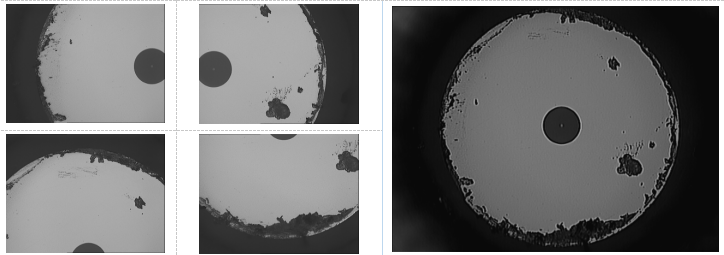
Dual-path design, high-magnification bright light for observing the details of the fiber core,
and low-magnification dim light for observing the ceramic end face.
The DoubleTest series double-rate end inspection instrument features dual lenses, dual optical
paths and brightness design. Under high brightness, it can clearly view the details of scratches
on the fiber core at high magnification. At low brightness, it can detect defects from the outer
area of the ceramic C zone to the edge at low magnification. Both high and low brightness
can be adjusted. The dual brightness enables full-end-face inspection, allowing the defects to
be exposed and clearly visible, regardless of bright or dark conditions.
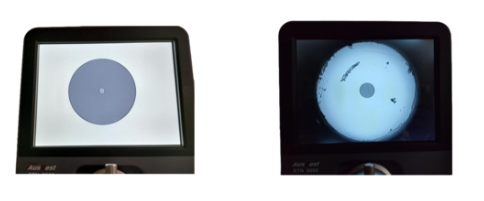
The resolution can be adjusted to meet different quality inspection requirements.
Regarding the scratches on the surface, if they are just shallow scratches, fine scratches, weak
scratches, or the smallest scratches, is it necessary to clearly detect them all? For the factory,
following the standard inspection and achieving batch qualification is the ultimate goal. Going beyond the clear standard might even lead to unnecessary complications. If high definition and ultra-high definition can both meet the requirements, the resolution can be adjusted at any time to meet the needs of different levels of quality inspection.
All series of end inspection instruments have the function of adjustable resolution. Even with
minor scratches, they no longer pose a problem. The equipment can be adjusted at any time
to meet the needs of different manufacturers.
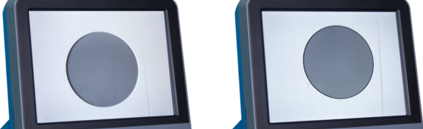
Various additional functions
Compatible with the automatic focusing function, saving manpower
The DoubleTest series double-rate end inspection instrument can be equipped with automatic
focusing and automatic brightness adjustment functions, eliminating the fatigue of manual
focusing. The daily operation of 10,000 times is effortless, avoiding possible misjudgments caused
by rapid manual focusing. Repeatedly inserting and removing components, the inspection images
are 99% consistent, and no clear focused end surface is missed.
More terminal connections are available, facilitating data transmission and document management.
The DoubleTest series double-rate end inspection instrument from Yitianlong can be connected
to a computer, and the end face data can be scanned and stored. It is also compatible with the
HOMK SpeedyTest series portable end inspection instrument, and can be paired with an
integrated display for detection operations.

Send Inquiry
Related Products
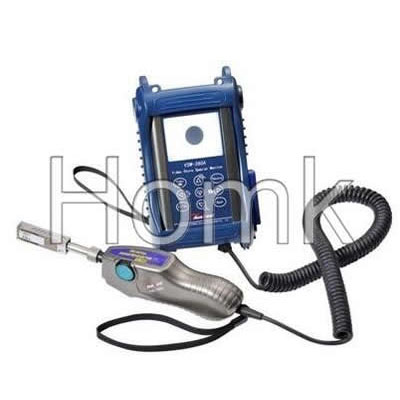
FVO-700A-V/K
FVO-700A-V/K Portable End Face Inspection Probe
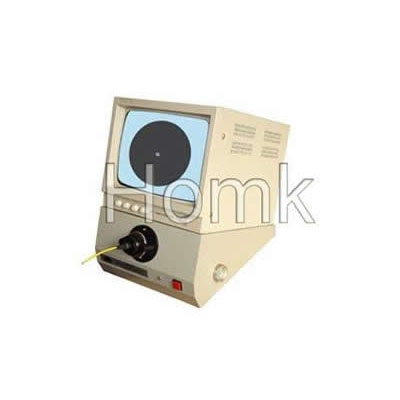
HK-400X
Fiber Microscope(HK-400X)
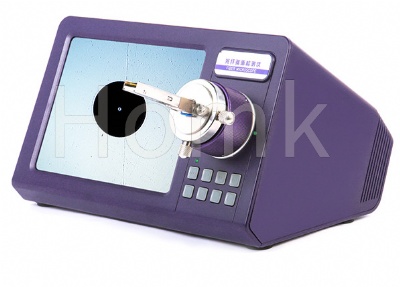
HK-400D
Module Fiber Microscope(HK-400D)
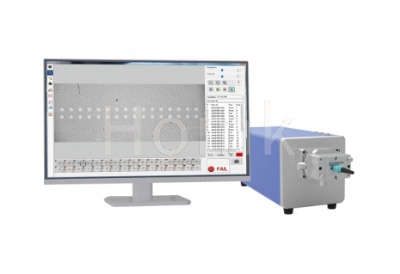
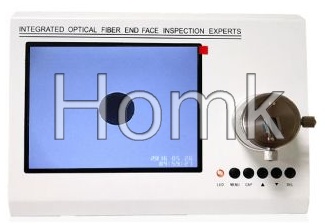
HK-400D
Module Fiber Microscope(HK-400D)
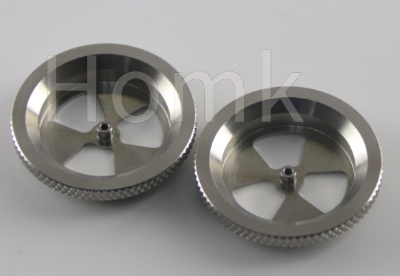
HK-400H CS Jig
CS Adapter for Fiber Microscope(HK-400H)